
Interior Remodeling in Hobbs, NM
Interior Remodeling in Hobbs, NM
Interior remodeling in Hobbs, NM is rarely about surface changes. Most of the time, it starts because the space no longer works the way it should. Rooms feel cramped. Walls interrupt flow. Light doesn’t travel. What once made sense now creates friction.
That’s when interior remodeling becomes necessary.
A properly planned project addresses these problems at the structural level. Interior walls are moved or rebuilt. Circulation improves. The space starts working with you instead of against you. When it’s done right, nothing feels forced. The layout just makes sense.
This kind of work goes deeper than finishes. It requires a solid understanding of structure, framing, and how changes in one area affect the rest of the building.
At ReNew Construction LLC, interior remodeling is approached with that mindset. Decisions are made with long-term use in mind—not shortcuts.
What Interior Remodeling Really Involves
Interior remodeling focuses on changing the internal layout and structure of a building. That often includes wall removal, new wall construction, and reworking how spaces connect. Some projects are straightforward. Others require careful planning and sequencing.
Interior renovations usually begin with interior demolition. Walls that no longer serve the space are removed. Openings are adjusted. Old framing comes out. From there, new interior walls are built and the layout is rebuilt with purpose.
This is where people often underestimate the work. Every change affects how the building carries load and how the space performs.
Interior remodeling may involve:
Removing non-structural partitions
Modifying load bearing walls
Load bearing wall removal with proper support
Installing new wall framing
Reworking circulation paths
Reworking circulation paths
Interior construction to support new uses
Wall Removal and Structural Realities
Wall removal is one of the most common reasons property owners pursue interior remodeling. Opening up a space can completely change how it feels and functions. But not all walls are equal.
Some interior walls are simple partitions. Others are load bearing walls that support floors, roofs, or structural systems above. Removing the wrong one without planning creates serious problems.
Load Bearing Wall Removal
Load bearing wall removal is never guesswork. It requires understanding how weight is transferred through the structure and ensuring that load is properly redirected once the wall is removed.
Temporary supports, permanent beams, and precise interior framing are part of the process. When handled correctly, the space opens up without compromising safety or stability. When handled poorly, problems follow—sometimes slowly, sometimes immediately.
New Wall Construction and Framing
Just as important as wall removal is wall contruction and framing. New walls define how the space is used. They create privacy, support systems, and shape the layout.
Proper wall framing ensures straight lines, solid attachment points, and long-term durability. Interior framing is what everything else depends on. If it’s off, finishes never sit right.
How the Interior Remodeling Process Comes Together
Interior remodeling works best when it follows a clear, methodical process. Skipping steps or rushing decisions usually leads to problems later—often after walls are closed up. This is usually where people run into trouble.
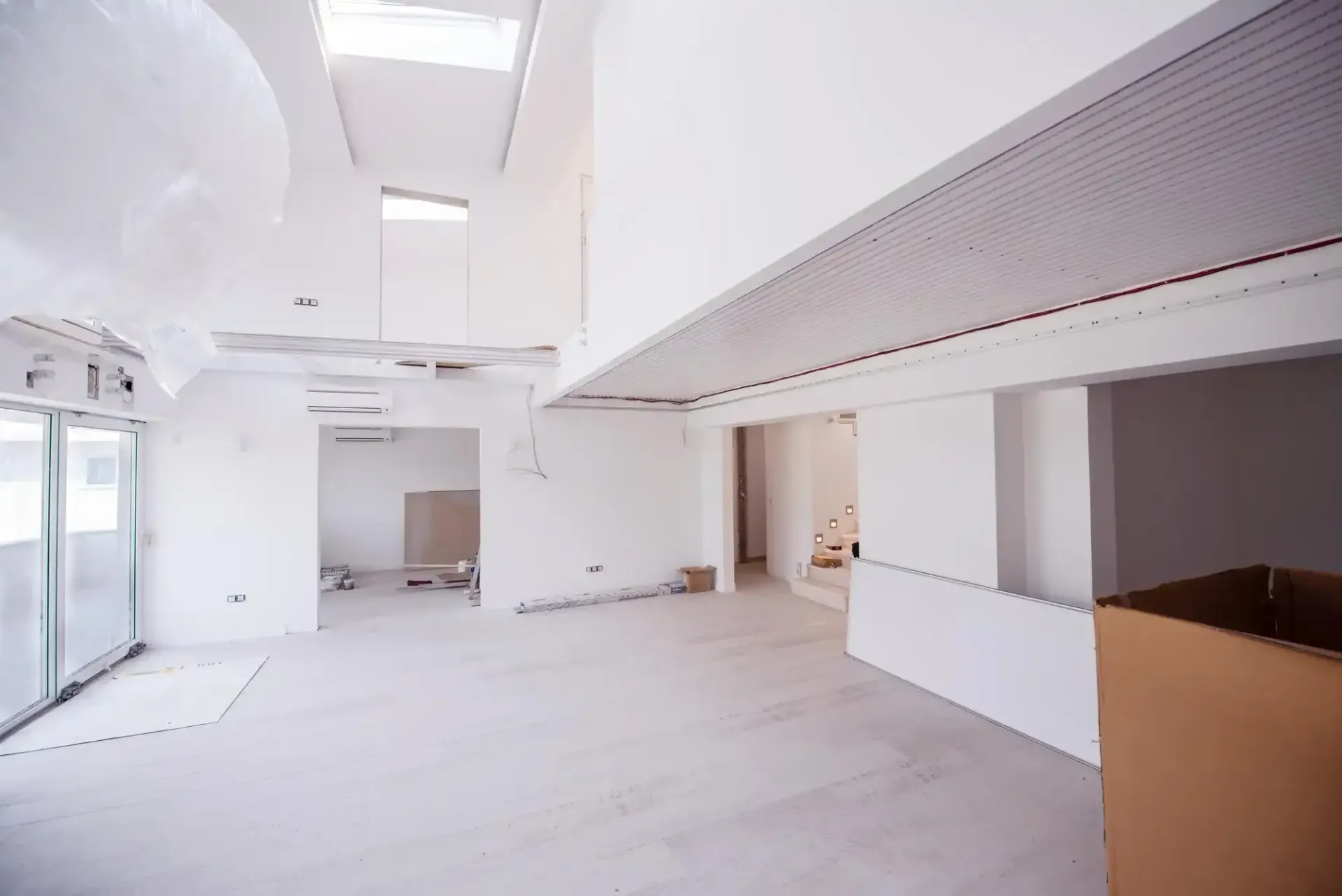
Evaluation and Planning
The process starts with understanding the existing structure. Which walls are structural. Which can move. Which need reinforcement. This stage defines the scope and prevents surprises later.
A clear plan is critical when interior demolition and wall removal are involved.
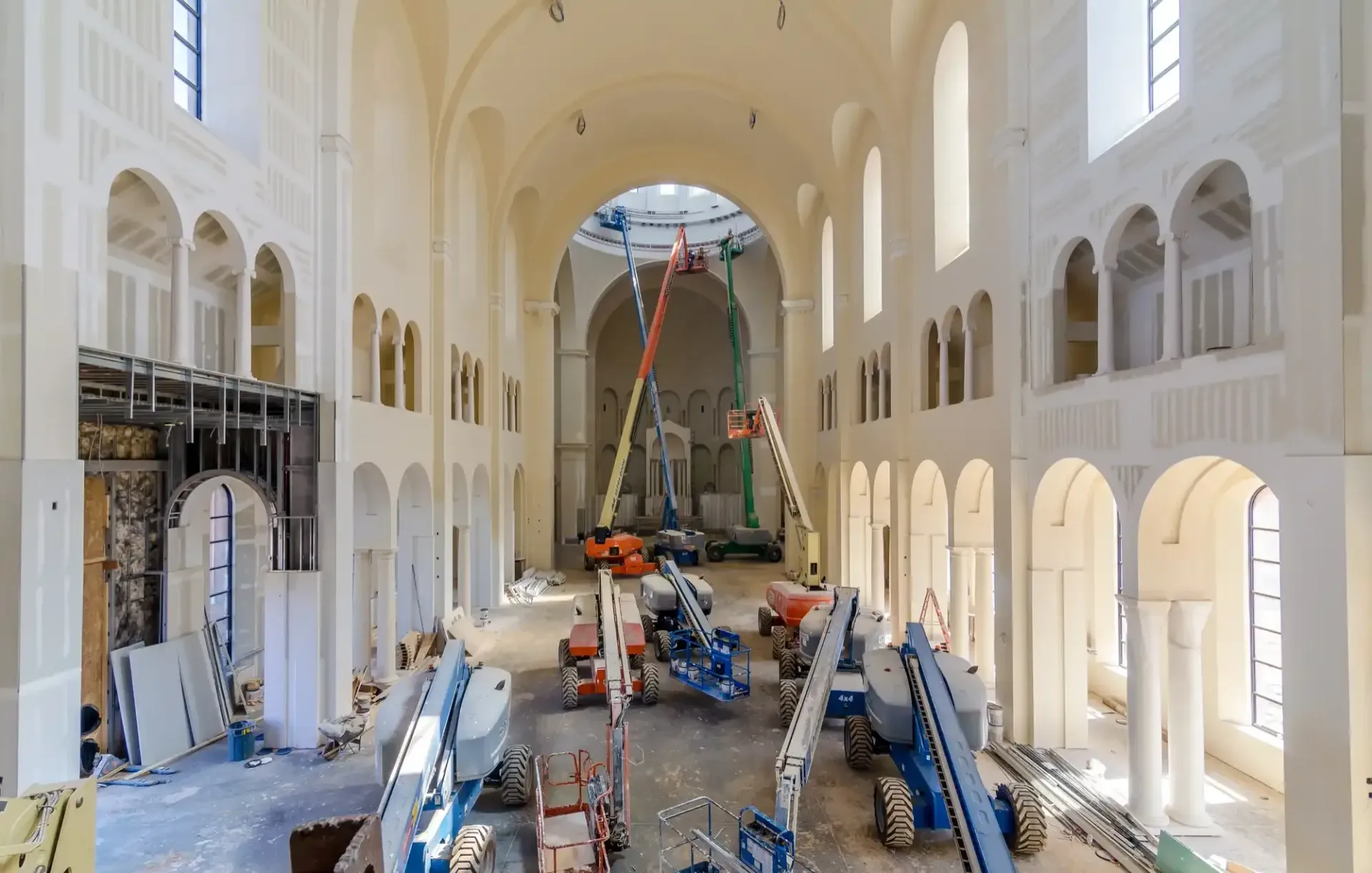
Demolition and Preparation
Once the plan is set, interior demolition begins. The goal is to remove what no longer works while protecting what does. Controlled demolition keeps surrounding areas intact and prepares the space for rebuilding.
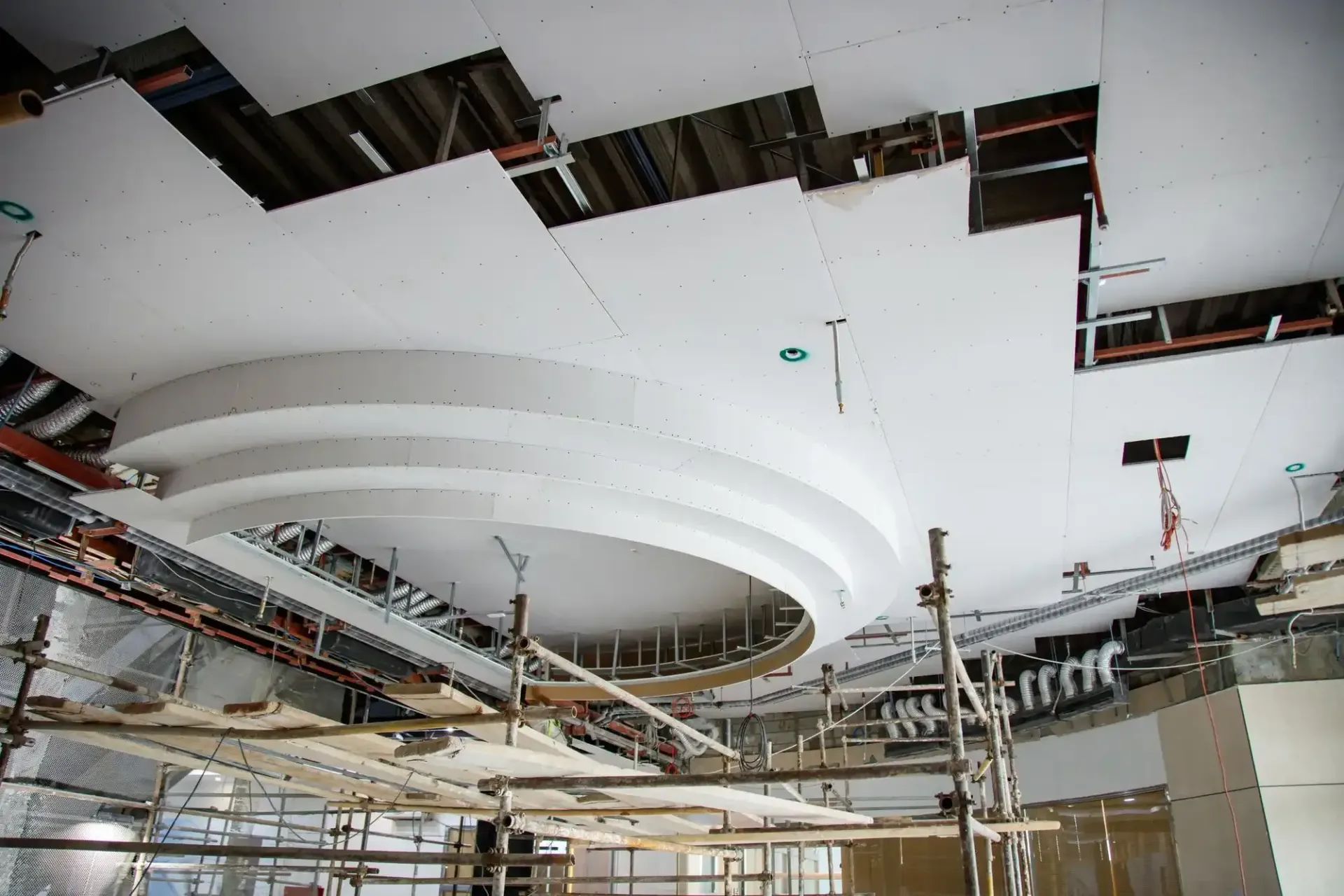
Framing and Structural Work
This is where the new layout takes shape. Interior framing is installed. Openings are adjusted. Structural elements are added where required. Precision matters here. Small framing errors show up later—in drywall, trim, and alignment.
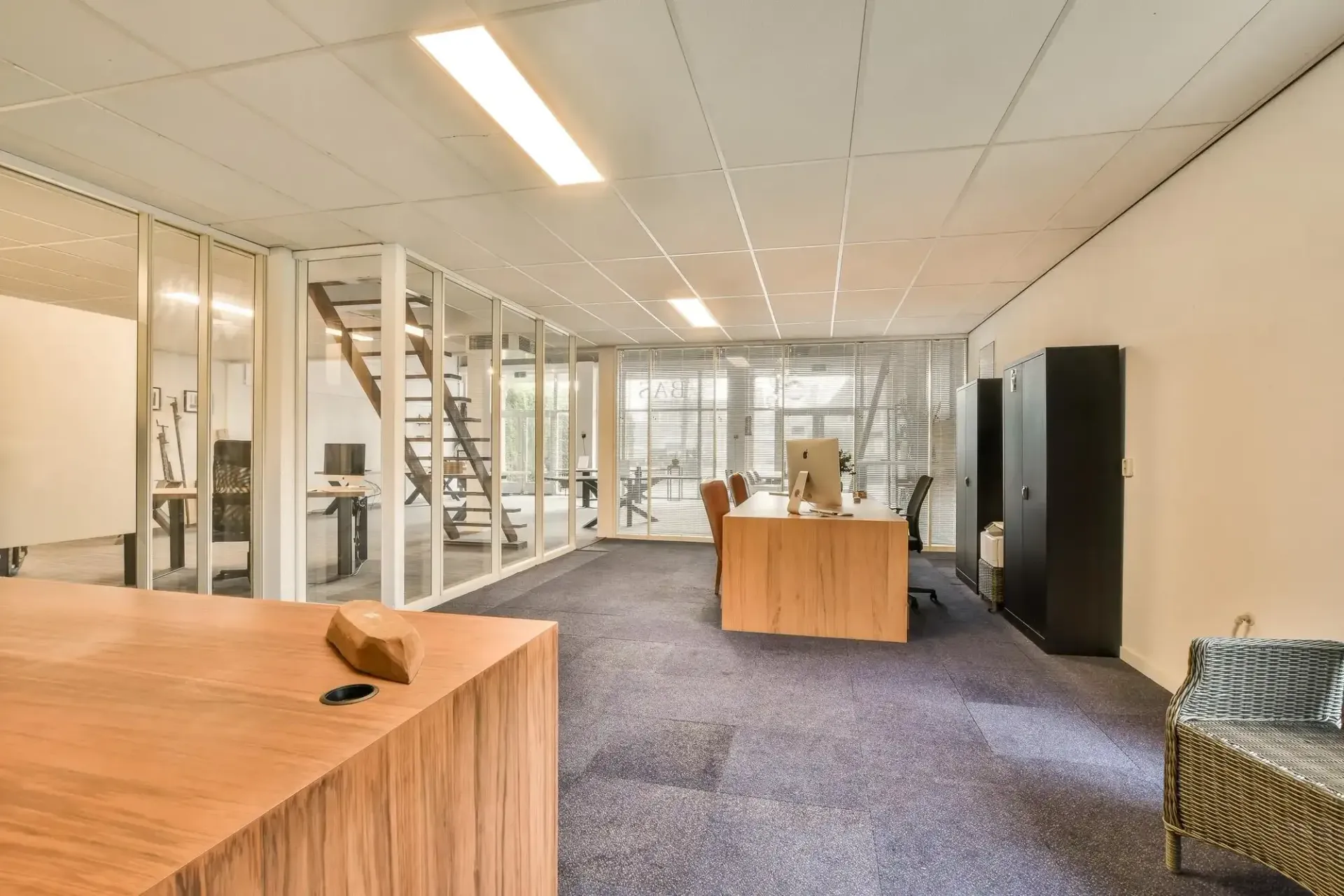
Interior Construction and Finishing
With framing complete, interior construction continues. Systems are routed. Drywall goes up. Finishes follow. At this point, the remodel starts to feel complete and functional again.
Who Interior Remodeling Is Best Suited For
Interior remodeling works well for property owners who want better function without expanding the footprint. It’s common in both residential and commercial spaces where layouts no longer support current needs.
An experienced interior renovation contractor understands how to adapt a space without creating structural issues.
Interior renovations are often driven by:
Changing use of space
Growth or reorganization
Poor flow or wasted square footage
Structural limitations from older layouts
The Practical Benefits of Interior Remodeling
A well-executed remodel delivers real, lasting benefits.
Improved Flow and Layout
Spaces feel more open and easier to use.
Structural Confidence
Proper handling of load bearing walls protects the building.
Better Use of Existing Space
No added square footage—just smarter design.
Long-Term Durability
Quality wall construction and framing hold up over time.
Interior remodeling improves how the space performs every single day.
Common Interior Remodeling Situations
Older layouts often create narrow hallways, boxed-in rooms, or awkward transitions. These designs made sense once. They don’t anymore.
Wall removal can open shared spaces. New walls can create privacy, improve acoustics, or define work areas. Interior renovations solve these issues at the structural level, not with surface fixes.
Interior construction focused on framing and layout creates results that last.
Why Experience Matters
Interior remodeling looks simple until it isn’t.
Removing the wrong wall. Improper framing. Inadequate support. These mistakes don’t always show up right away—but they matter. And they’re expensive to fix later.
An experienced interior renovation contractor understands load paths, framing standards, and sequencing. That experience protects both the structure and the people using it.
A Professional, Grounded Approach
A professional approach to interior remodeling emphasizes clarity. Clear scope. Clear structure. Clear communication.
Decisions aren’t based on trends. They’re based on how the space will be used long term. Structural integrity, proper wall framing, and sound construction come first.
That’s how spaces end up feeling solid, intentional, and reliable.
Areas We Serve
Our interior remodeling services are available throughout southeastern New Mexico, including
Hobbs
Lovington
Carlsbad
Artesia
Roswell
Let’s Talk About Your Space
Interior remodeling should make a space work better—not introduce new problems. When wall removal, framing, and interior construction are handled correctly, the result feels natural and solid.
If you’re considering interior remodeling and want a clear, professional conversation about structure, layout, and next steps, reach out to
ReNew Construction LLC in
Hobbs to discuss your project with confidence.
Frequently Asked Questions
When is interior remodeling the right choice?
It’s the right solution when the layout no longer supports how the space is used, but the overall structure is still sound.
Can load bearing walls be removed safely?
Yes—when properly evaluated and supported. Load bearing wall removal requires structural planning and correct installation of supports.
What affects the scope of an interior remodeling project?
Wall types, structural requirements, existing conditions, and how much the layout changes all play a role.
How long does interior remodeling usually take?
Timelines vary based on demolition needs, framing complexity, and structural work. Planning keeps expectations realistic.
How disruptive is interior remodeling?
There is some disruption during demolition and framing. Proper sequencing helps keep it manageable.