
Government Construction Projects in Hobbs, NM
Government Construction Projects in Hobbs, NM
Government construction projects in Hobbs, NM operate under a different set of expectations than private work. The standards are higher. The oversight is constant. And every decision carries public responsibility. These are taxpayer-funded projects, built in full view of agencies, inspectors, and the community. There’s no room for shortcuts, and no tolerance for guesswork.
Every phase matters. Planning. Documentation. Execution. Closeout. Miss something early, and it tends to surface later—usually when timelines are tight and options are limited.
When handled correctly, government construction projects support essential services and long-term infrastructure. Schools, municipal buildings, public safety facilities, and utility systems all depend on contractors who understand the weight of public work. This isn’t just construction. It’s stewardship.
At ReNew Construction LLC, that responsibility is taken seriously. Government work is approached with structure, discipline, and a clear understanding of what public projects demand from start to finish.
What Government Construction Projects Actually Involve
Government construction projects cover a broad range of public-sector work. That includes government building construction such as administrative offices, maintenance facilities, and public safety structures. It also includes government infrastructure projects that support utilities, transportation, and essential community services.
Unlike private work, these projects are governed by formal procurement and compliance processes. A government construction contract spells out scope, timelines, reporting requirements, and performance standards in detail. Every item matters. Documentation isn’t optional—it’s part of the work.
A qualified government construction company understands how to operate within these frameworks. The objective isn’t simply to finish a job. It’s to meet public standards for safety, quality, and accountability at every step.
How Government Construction Work Is Structured
Public-sector construction follows a defined path. It’s designed to reduce risk, protect public funds, and ensure consistency. Contractors need to be comfortable working inside that structure.
Pre-Construction and Contract Compliance
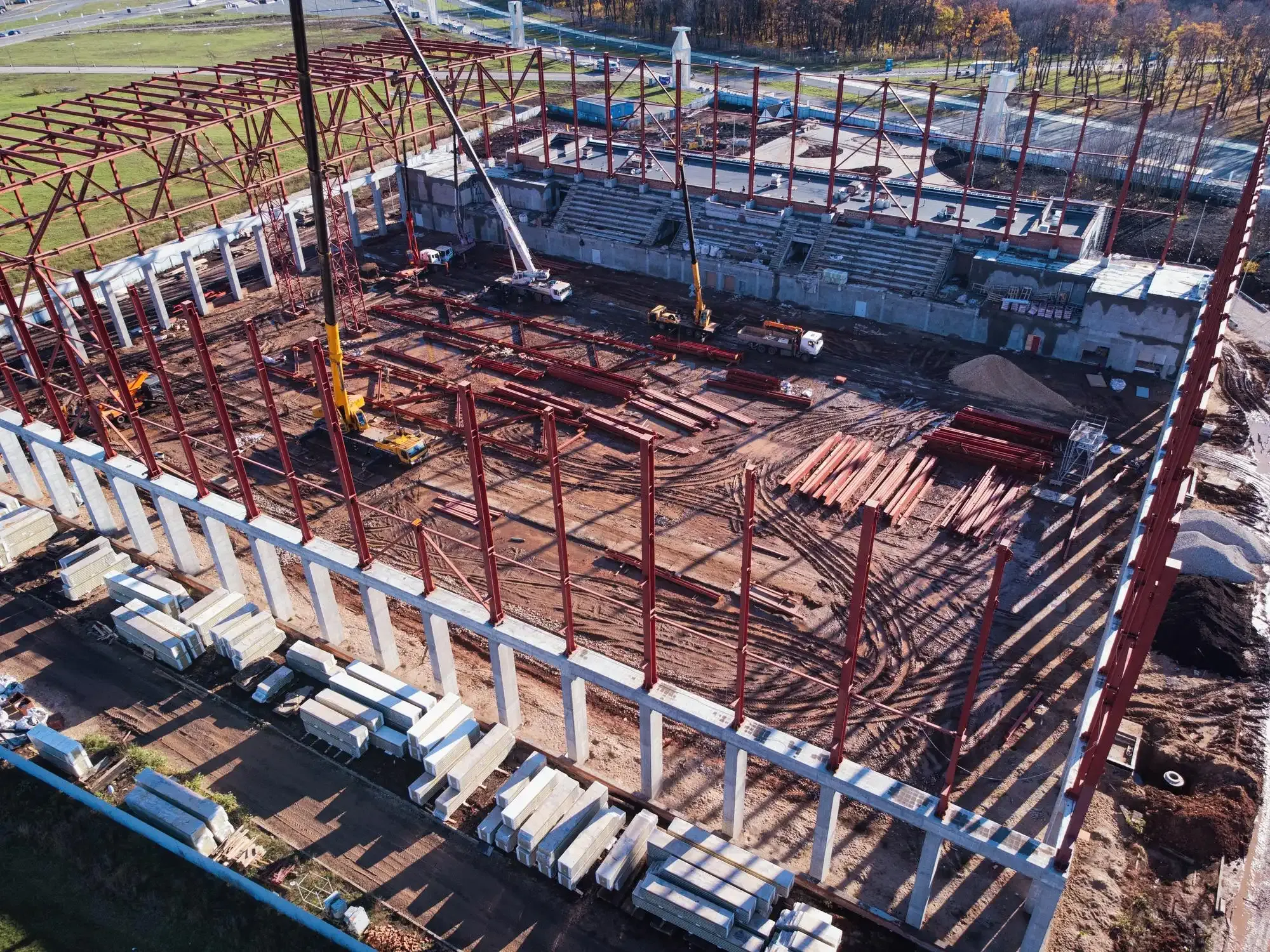
Before work begins, expectations are clearly outlined. Drawings, schedules, specifications, and reporting procedures set the baseline. Government contractors are expected to understand these documents thoroughly and follow them precisely.
This stage is where many issues can be avoided. Clear interpretation and disciplined planning keep government capital projects from drifting later.
Construction Execution and Oversight
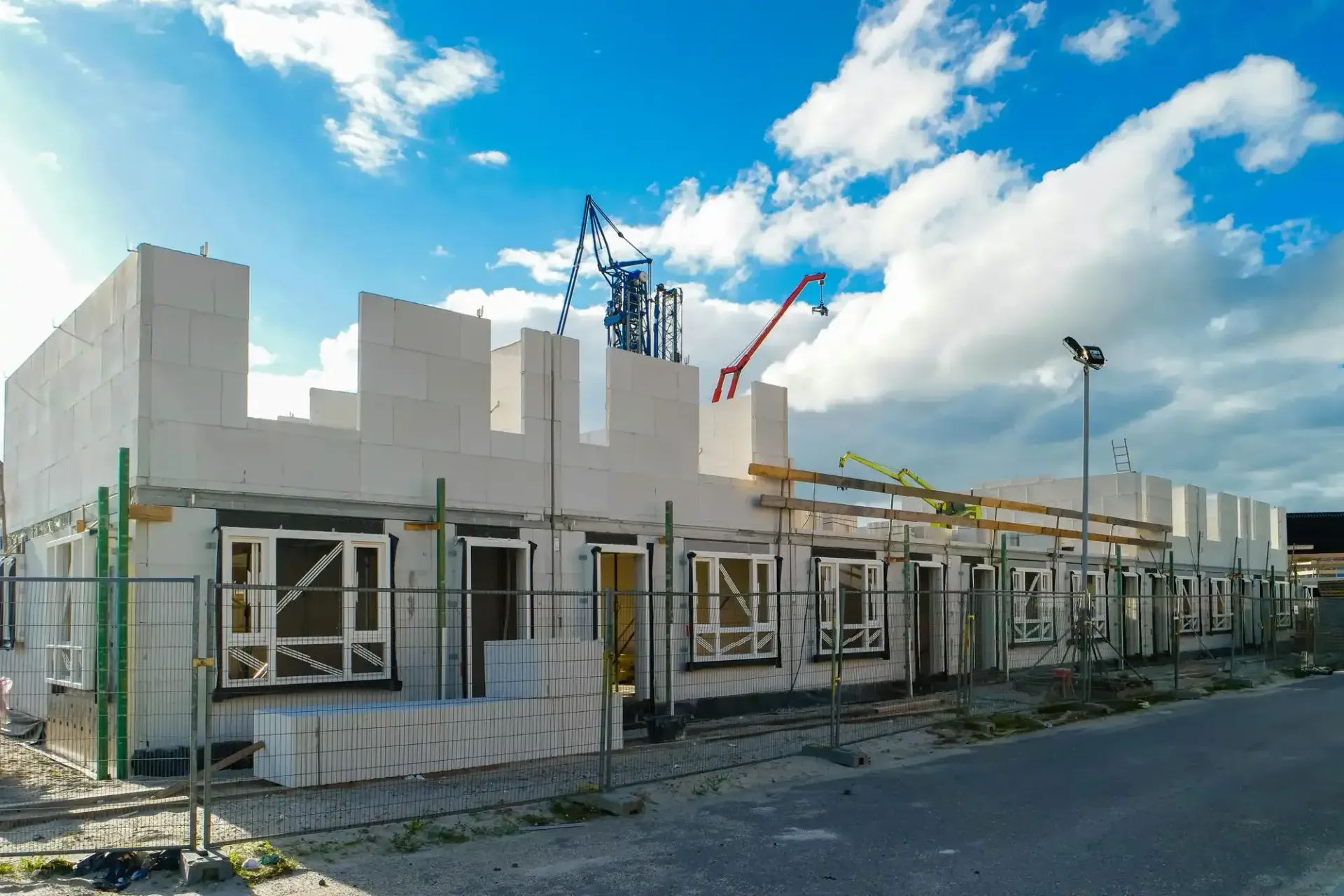
Once construction starts, oversight becomes continuous. Inspections are routine. Safety standards are enforced. Materials and workmanship are checked against specifications. Any deviation requires approval and documentation.
Government construction contractors must be prepared for this level of transparency. It’s built into the process.
Coordination and Documentation
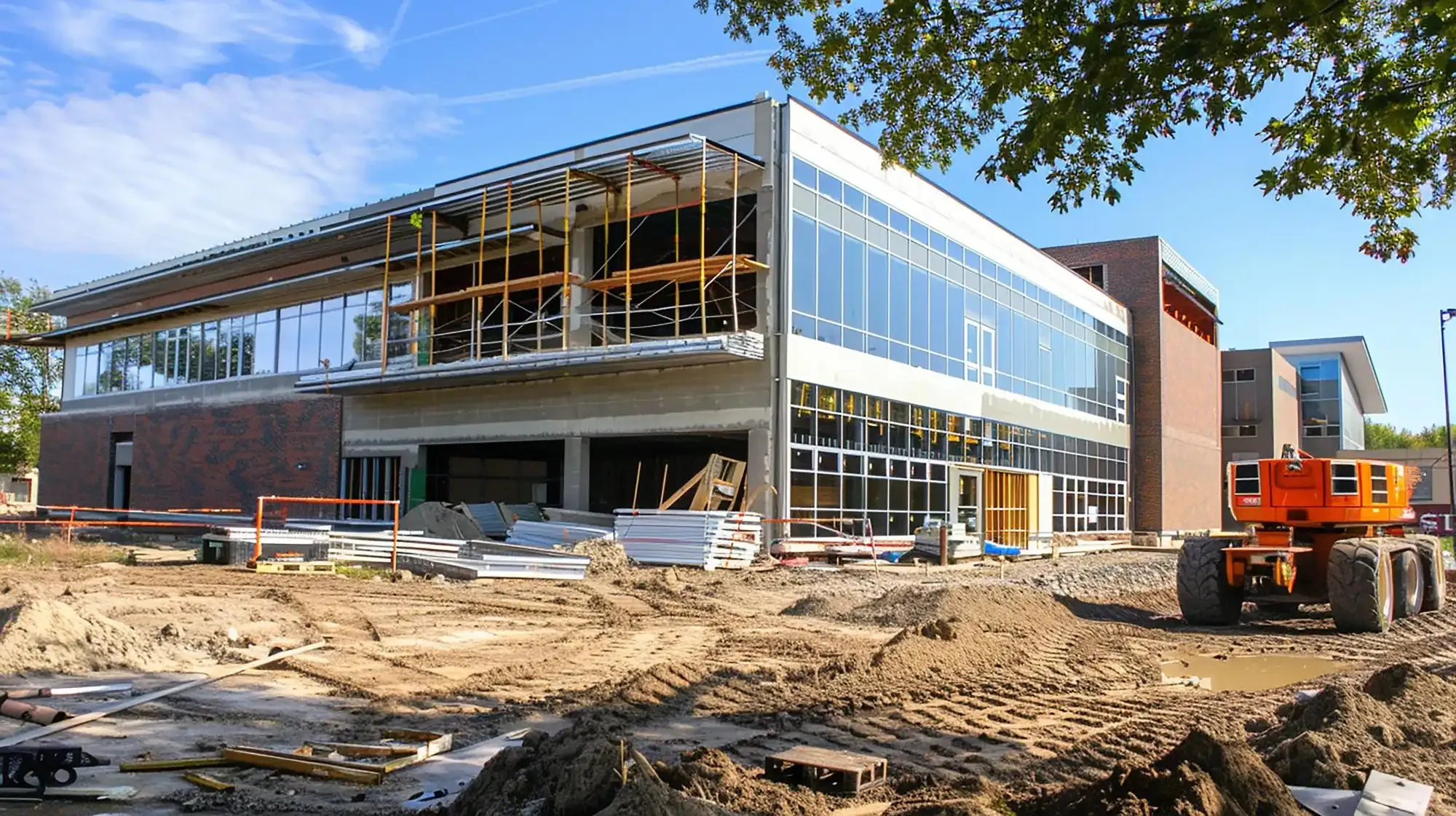
Daily coordination with inspectors, project managers, and agency representatives is standard. Progress reports, change requests, and compliance records are maintained throughout the project.
This is usually where people underestimate the workload. Documentation takes time, and experience makes a difference.
Final Inspection and Project Closeout
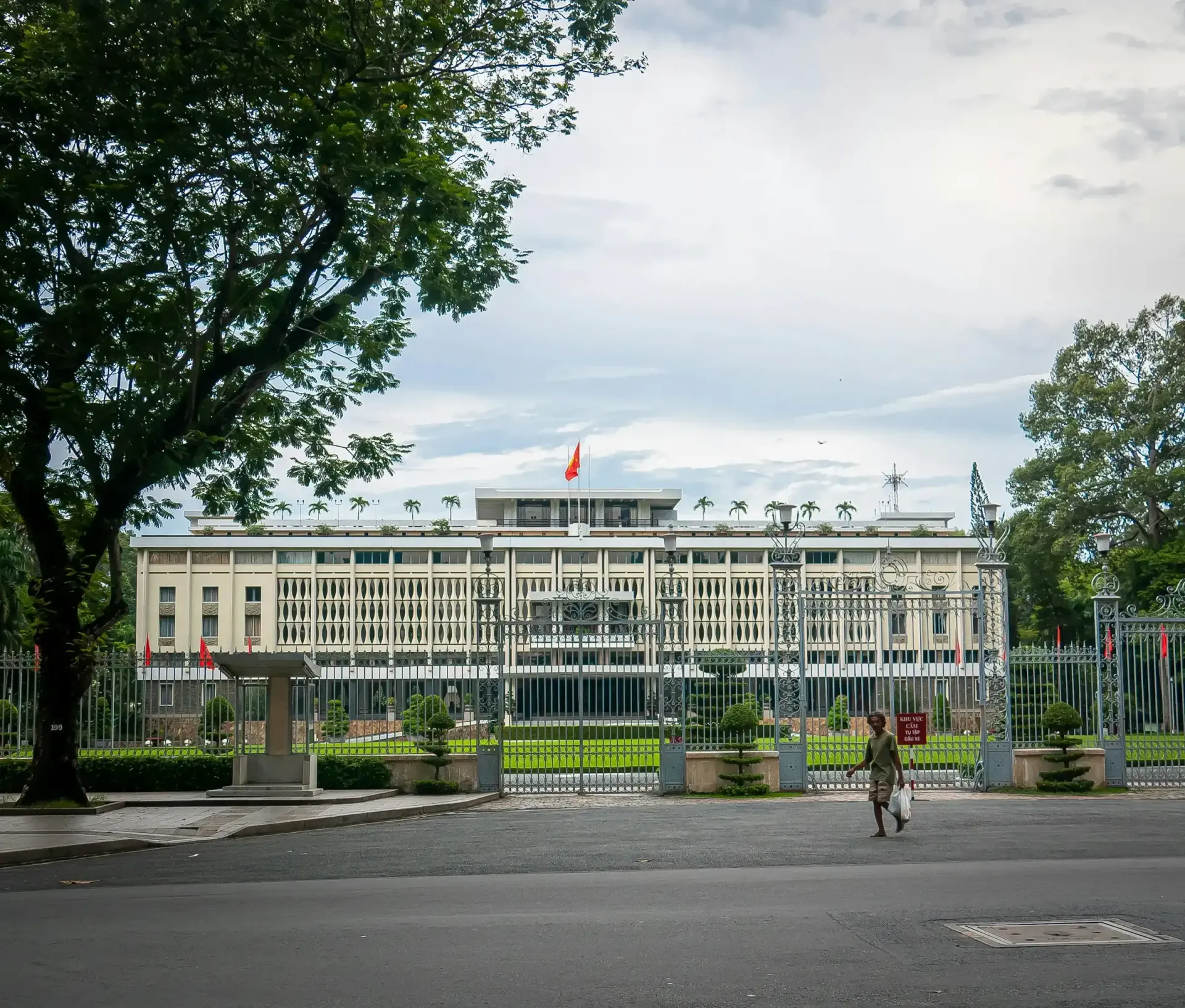
Government construction projects conclude with formal inspections, punch lists, and closeout documentation. The goal is a facility that meets all requirements and can be placed into service without unresolved issues.
Who Government Construction Projects Are For
Government construction projects serve public agencies, municipalities, and institutions responsible for community facilities and infrastructure. These clients need dependable partners who understand public procurement, compliance standards, and long-term accountability.
Government contractors working in this space must be comfortable with detailed oversight and extended timelines. This work favors firms that value organization, communication, and consistency.
Public-sector capital projects are long-term investments. They require teams that think beyond completion dates and focus on durability and service life.
The Practical Benefits of Professional Government Construction
When government construction is executed properly, the benefits extend well beyond the jobsite.
Accountability
Clear processes and documentation protect public resources.
Durability
Facilities are built for long-term use and heavy demand.
Safety and Compliance
Strict standards protect workers and the public.
Public Value
Well-managed capital projects support essential services and infrastructure.
These outcomes depend on experienced government construction contractors who understand the responsibilities involved.
Common Types of Government Construction Projects
Government construction projects vary widely in scope. Common examples include municipal offices, public safety buildings, maintenance yards, and infrastructure improvements. Some projects involve new construction. Others focus on expansions or upgrades.
Government infrastructure projects often address long-term needs such as utility capacity, access improvements, and service reliability. These projects require balancing technical requirements with public impact.
Capital projects in the public sector demand careful coordination and long-range planning to meet both immediate and future needs.
Why Experience Matters in Public-Sector Construction
Government construction is not the place to learn as you go. The requirements are clear, and the consequences of mistakes are real. Missed deadlines, documentation gaps, or noncompliance can delay projects and increase costs.
Experienced government construction contractors understand how to manage schedules, coordinate inspections, and maintain compliance without slowing progress. That experience reduces risk and keeps projects moving steadily.
A capable government construction company brings more than manpower. It brings systems, communication, and discipline.
A Professional Approach to Government Construction
A professional approach to government construction projects starts with clarity. Scope is defined early. Communication stays consistent. Compliance is treated as part of the work, not an obstacle.
Government contractors must be able to operate within formal processes while still solving problems as conditions change. That balance matters.
This approach results in facilities that meet requirements, serve their purpose, and hold up over time.
Areas We Serve
Our government construction services are available throughout southeastern New Mexico, including
Hobbs
Lovington
Carlsbad
Artesia
Roswell
Moving Forward With Confidence
Government construction projects carry responsibility beyond the jobsite. They shape public spaces, support essential services, and reflect the standards of the communities they serve.
If you’re planning or managing a public-sector project and need a contractor who understands structure, accountability, and public expectations, reach out to
ReNew Construction LLC in
Hobbs to begin a clear, professional conversation about next steps.
Frequently Asked Questions
When are government construction projects typically needed?
They’re required when public facilities must be built, expanded, or upgraded to support community services or infrastructure needs
Who oversees government construction work?
Oversight is provided by public agencies, project managers, and inspectors to ensure compliance with contract requirements and standards.
What affects the scope of a government construction contract?
Funding, regulatory requirements, site conditions, and long-term service goals all influence scope. Clear documentation defines expectations.
How are timelines managed on public-sector projects?
Timelines are established through formal schedules and monitored through reporting and inspections. Changes require approval and documentation.
Are government capital projects different from private construction?
Yes. Public projects involve stricter compliance, transparency, and oversight than most private-sector work.